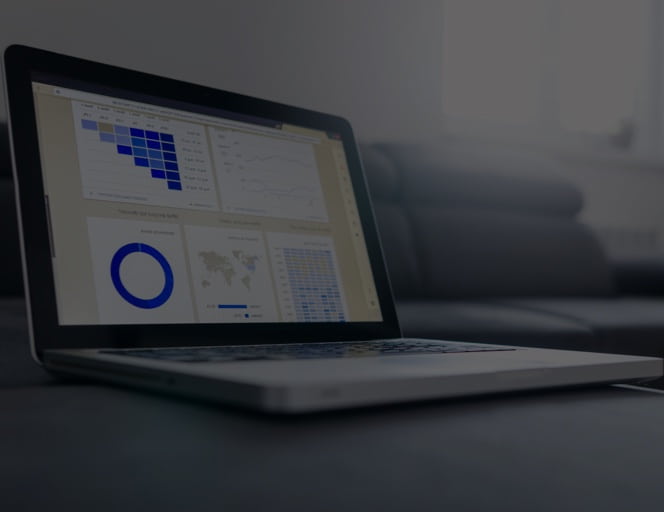
The term fidelity means accuracy or exactness, so when we talk about low-fidelity designs or high-fidelity mockups, we’re referring to the level of detail and polish in a design.
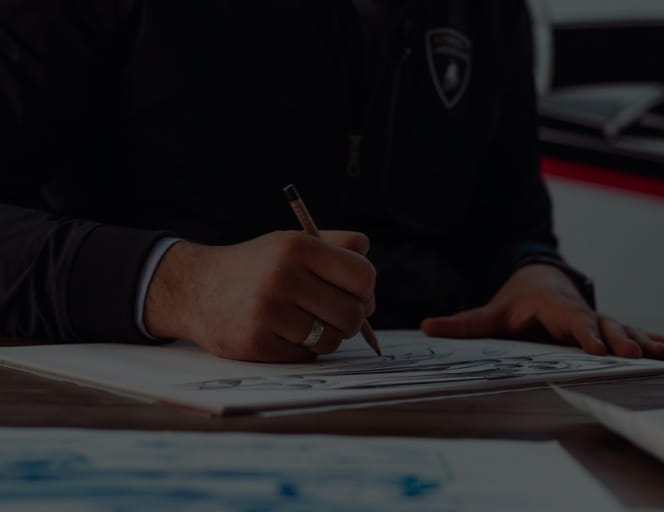
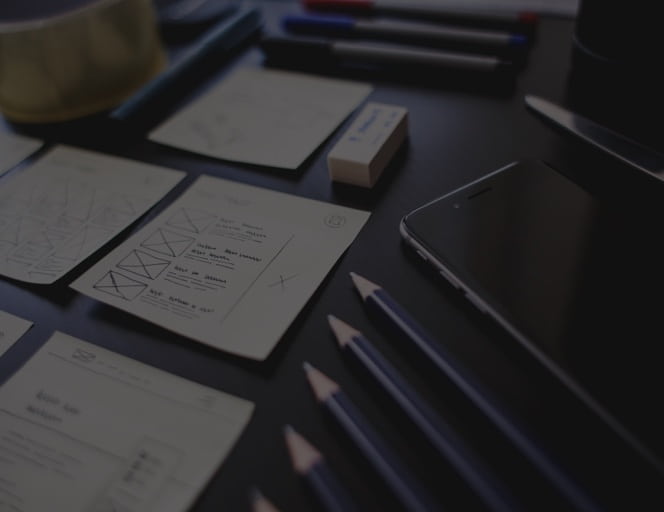
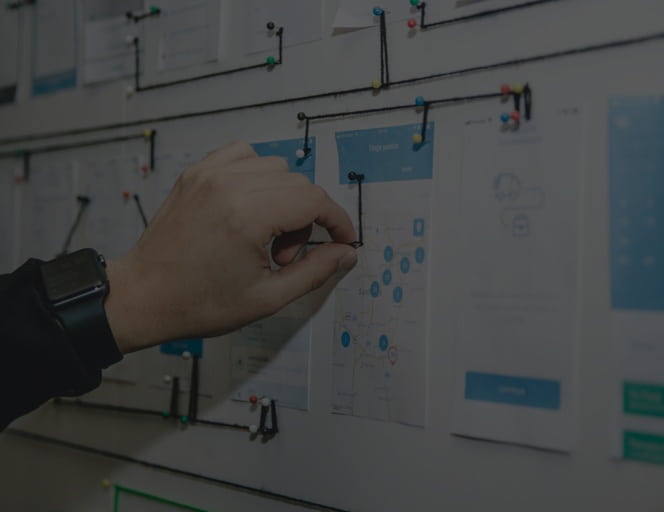
The starting point of any good UX is done on a whiteboard or with pen and paper. This, by definition, is “low-fidelity” because there’s a small amount of detail. Low-fidelity designs are quick and easy to produce. This is a huge time saver early on when you're defining the architecture and continually ideating and iterating.
High-fidelity mockups are the culmination of choices in typography, color, layout, iconography, imagery, etc. being applied holistically to your designs. High-fidelity mockups don’t just happen immediately. It takes time and effort to apply and balance each of those categories appropriately in your designs.
When you have finally polished your designs, tested the final design (if necessary), and gotten stakeholder approval, you’ll hand your designs off to developers (or whomever creates the final product).
If animations haven’t been built, it’s prudent to include videos of the intended, high-fidelity animations for developers so they can be built into the product.